
FOMO Frenzy
By Meera Swami
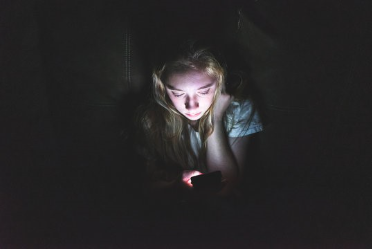
Nothing’s worse than not having plans on a Friday or Saturday night. While everyone’s sharing and posting what they’re doing that night, you can’t help but think that you’re missing out on the fun that everyone else seems to be experiencing. This feeling is known as FOMO or the fear of missing out. That picture or video, however, is only a little snapshot of someone else’s life and one of the exciting things they’ve done. In reality, everyone has unique things going on in their life and has also experienced lulls and the same emotions as you.
What is FOMO?
FOMO, or the fear of missing out, is a worried or anxious feeling that others are having more fun and living a better life. FOMO can affect anyone, but it is prominent among high schoolers because of the popular social media apps that allow anyone to quickly post what they’re doing. It can make you feel down to see posts from friends who appear to be having more fun than you are.
Why do we experience FOMO?
Many high schoolers share a common desire for social connection. When one is by themselves, they tend to get a feeling of envy or regret after seeing the fun things that other people are doing. “We tend to compare ourselves with each other or at least those we are around the most or to those whom we seek approval from (relative deprivation)”, said Mr. Hensley, a psychology teacher at Nease. I believe social media is a huge facilitator for this type of comparison. The easy accessibility for one to see what another is doing via posts on their social media accounts enables them to overanalyze the experience that other people may be having, causing a negative feeling towards themself like they aren’t part of a group or a community. Social media can be helpful in certain ways, such as building a business or connecting with people, but I think it can be damaging to a person’s mental health if they consume too much media. Social media heightens the feeling of FOMO because of the constant sharing and viewing of many people’s experiences.
The science behind FOMO
The feeling of being left out or missing out on something important is an innate bodily response. The signal for this type of response/feeling begins in the limbic system’s amygdala. The amygdala is “the part of the brain that detects whether or not something is a threat to survival. This part of the brain perceives the impression of being left out as a threat, creating stress and anxiety” (techtarget.com). Also, the amygdala is associated with the emotions that we feel which cause stress and other negative emotions like loneliness or disapproval of oneself.
The effects of FOMO
The regretful feeling of not going to an event can influence one’s decision-making to attend an event they may not be the most interested in but would make them feel less out of the loop if they went. Charlotte Royer, a junior at Nease, said, “I’ve made decisions to go to football games with my friends after a long week of school to avoid FOMO. It was still fun, but I probably could have benefited from some extra rest instead of going out.” Charlotte knew that there were other things she could’ve done that would have been beneficial to her, but she chose to go to a football game that wasn’t that intriguing to her to avoid being left out.
Coping with FOMO
Although it is easy to compare your life to someone else’s, having different strategies to avoid these comparisons will help you be more confident about your choices and provide a different outlet to focus your attention on. These few tips can help you cope and prevent FOMO.
- Take a social media break: Staying off of social media for hours, few days, or weeks can be very helpful to reduce the feeling of missing out since you are only focused on yourself and not what everybody else is doing. A study done by TIME magazine found that “those high in FoMO tended to use Facebook more often immediately after waking, before going to sleep, and during meals.”
Facebook and other social medias do not accurately depict people’s lives. These posts idealize people’s lives and therefore, taking a break would help one realize that people’s lives are not as perfect as they seem.
- Start journaling: Writing down memorable moments of your day and reflecting can help regulate emotions and create a feeling of peacefulness and self-compassion.
- Practice self-care: Staying busy and doing things that bring you happiness can help you stay focused and enjoy your time alone.
- Seek out real connections: The feeling of loneliness you experience from FOMO can be fixed by making plans with a friend or going out with a group. Hanging out with friends will get rid of the feeling of missing out and can make you feel better.

