
U.S.-Canada Tariff Dispute Escalates
By Kevin Naranjo
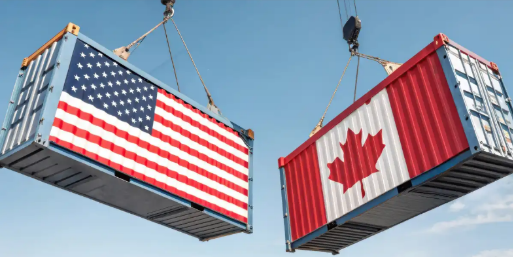
The trade relationship between the United States and Canada has taken another turn as both countries continue imposing tariffs, a tax or duty levied on national and international goods, and other economic restrictions on each other’s goods.
On Sept. 8, Canada put retaliatory tariffs on approximately $20 billion worth of American products into effect. The tariffs range from 15% to 50% and target products including steel, furniture, clothing, electronics, and agricultural equipment. The move came after the United States imposed 50% tariffs on certain Canadian goods following the breakdown of recent trade negotiations. The latest developments have expanded beyond traditional tariffs. The United States announced that, beginning Sept. 29, it will ban imports of several Canadian products, including most alcoholic beverages, certain dairy products and some motorcycles. Some additional Canadian products, including certain cheeses, paper and aluminum goods, have also been placed under higher tariffs.
Canadian Prime Minister Mark Carney has argued that the country needs to reduce its economic dependence on the United States. Canada and the United States have historically maintained one of the world’s largest trading relationships, making the current dispute particularly significant for businesses on both sides of the border
For consumers, tariffs can eventually affect prices. A tariff is a tax placed on imported goods. When companies have to pay more to bring products across a border, they may absorb some of the cost, switch suppliers or pass some of the additional expense on to customers. The impact can vary depending on the product and how heavily businesses rely on imports. The dispute is also creating uncertainty for industries that depend on cross-border supply chains. Companies may have to reconsider where they purchase materials or manufacture products if tariffs remain in place for an extended period.
The conflict could also put pressure on the United States-Mexico-Canada Agreement, or USMCA, which governs much of the trade between the three North American countries. Analysts have warned that continued escalation could further strain the relationship between the two long-time allies. For now, neither side appears ready to completely back down. With additional restrictions scheduled to take effect later this month and further tariff increases still possible, businesses and consumers in both countries will be watching closely to see whether negotiations can prevent the dispute from growing into an even larger trade war.
Sources:
Anderson, Mae. “US Escalates Trade War with Canada by Banning Key Imports.” AP News, 9 Sept. 2026, https://apnews.com/article/canada-us-tariffs-products-61fafac59a40d3f25186854d1a3e0bdc.
Gillies, Rob. “What to Know about Canada-US Trade War.” AP News, 8 Sept. 2026, https://apnews.com/article/canada-trump-carney-trade-war-tariffs-4620ffb5ecc029322217207fa6758431.
Mukherjee, Promit, et al. “US to Ban Canadian Motorcycle, Dairy, Alcohol Imports as Trade War Sizzles.” Reuters, 8 Sept. 2026, https://www.reuters.com/business/autos-transportation/canadas-retaliatory-tariffs-take-effect-us-trade-talks-stall-2026-09-08/.
Rubin, Gabriel. “Breakingviews – COMMENTARY: Canada’s Trade Arsenal Packs US Political Punch.” Reuters, 9 Sept. 2026, https://www.reuters.com/commentary/breakingviews/canadas-trade-arsenal-packs-us-political-punch-2026-09-09/.
“Trade & Customs.” KPMG, 27 Jan. 2026, https://kpmg.com/us/en/capabilities-services/tax-services/international-tax-trade-and-transfer-pricing/trade-customs.html.

